








The Middle East just got dramatically more dangerous. Iran launched cruise missiles, drones and armed speed boats directly at US military forces in one of the world’s most important waterways. Here is everything you need to know — and why it matters for Nigeria.
What Happened
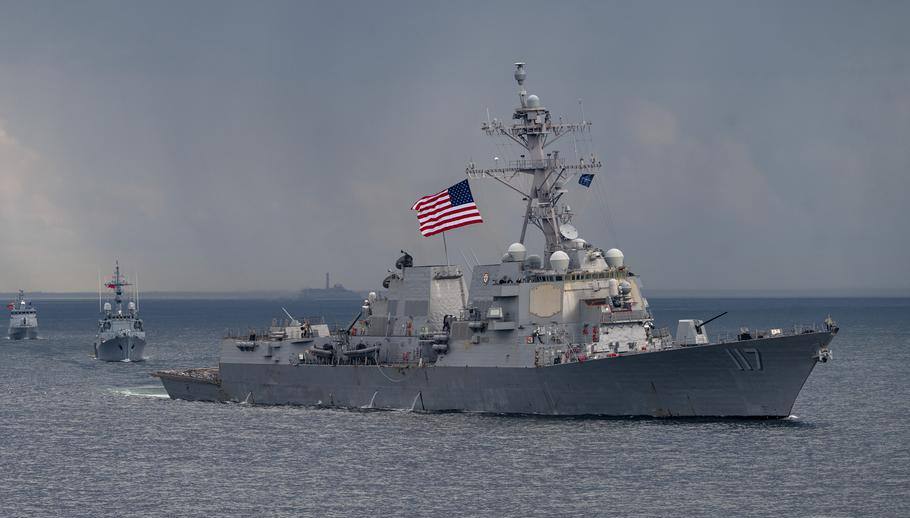
Iran launched a coordinated attack on US forces in the Strait of Hormuz today. The assault included cruise missiles, military drones and armed small boats targeting US-flagged vessels and military assets in the strategically vital waterway.
US Central Command chief Brad Cooper confirmed the attacks. He said Iran struck after US naval forces began escorting American commercial ships through the strait under a new security mission ordered by President Donald Trump.
Despite the scale of the attack — no ships were hit. No casualties or injuries were reported on the US side.
How the US Responded
The US military intercepted the incoming drones successfully. When Iranian armed speed boats approached US vessels, American attack helicopters were deployed immediately. Those helicopters destroyed multiple Iranian boats before they could reach their targets.
The US response was swift, decisive and effective. But the fact that Iran launched this attack at all signals a dramatic escalation in Gulf tensions.
Why the Strait of Hormuz Matters to Every Nigerian
The Strait of Hormuz is not just a distant military flashpoint. It is one of the most important economic chokepoints on earth — and what happens there affects Nigeria directly.
Approximately 20 percent of the world’s crude oil passes through the Strait of Hormuz every single day. Any prolonged disruption to shipping through that channel pushes global oil prices sharply higher.
Nigeria is an oil exporting nation. Higher global oil prices mean more revenue for Nigeria in the short term. But they also mean higher fuel import costs — and Nigeria still imports refined petroleum products despite the Dangote Refinery now coming online. We recently reported how [Dangote Refinery began supplying jet fuel directly to Ethiopian Airlines] — a sign of Nigeria’s growing refining independence. But the country is not yet fully self-sufficient.
If the Iran-US conflict escalates and the Strait closes even temporarily — fuel prices in Nigeria will rise again. Nigerians in the diaspora sending money home will find their naira goes less far as inflation creeps back up.
Dangote Refinery began supplying jet fuel directly to Ethiopian Airlines
Trump Threatens to Pull US Troops From Spain and Italy
Why Is the US Escorting Ships Now?
Recent instability in the Gulf left several commercial vessels stranded or refusing to sail through the Strait of Hormuz. Trump ordered a new naval protection mission — US warships would escort American commercial vessels through the strait to guarantee safe passage.
Iran viewed this as provocation. The missile and drone attack was Tehran’s response.
The Bigger Picture — US and Iran Are Getting Closer to Open War
This attack did not happen in a vacuum. The US and Iran have been on a collision course for months.
Trump withdrew from the Iran nuclear deal in his first term and reimposed crushing sanctions. Iran responded by expanding its nuclear programme. Tensions have been building steadily — through proxy conflicts in Yemen, Iraq and Lebanon, and now directly in the Strait of Hormuz.
We recently reported how Trump threatened to withdraw US troops from Spain and Italy after those countries refused to support US military action against Iran. Read that full story here: [Trump Threatens to Pull US Troops From Spain and Italy].
That story and this one are connected. Trump is fighting a military and diplomatic war on multiple fronts simultaneously — and the risks of miscalculation are growing by the day.
What Analysts Are Saying
Analysts warn that continued military encounters in the Gulf raise the risk of accidental escalation. One miscalculation — one drone that hits a ship, one speed boat that gets through — and the situation could spiral into something far more serious than either side intends.
Global markets are watching nervously. Oil prices were already at $112 per barrel before today’s attack. Any sustained disruption to Hormuz shipping could push prices to levels not seen since the 2008 oil crisis.
What Happens Next
US officials confirmed that naval escorts for commercial vessels will continue. Washington is not backing down. Iran has shown it will respond militarily. Both sides are now locked in a dangerous standoff in one of the world’s most strategically vital waters.
GossipShop will monitor this story closely. Every Nigerian — at home and abroad — should understand what is happening in the Gulf and why it matters to their daily lives.
GossipShop Verdict
Iran firing missiles at US forces in the Strait of Hormuz is not a small incident. It is a major escalation with global consequences — for oil prices, for shipping security and for the increasingly fragile relationship between the United States and its European allies.
For Nigerians at home who feel fuel prices every day, and for Nigerians abroad who send money home every month — this Gulf crisis is your crisis too. Stay informed. 🌍