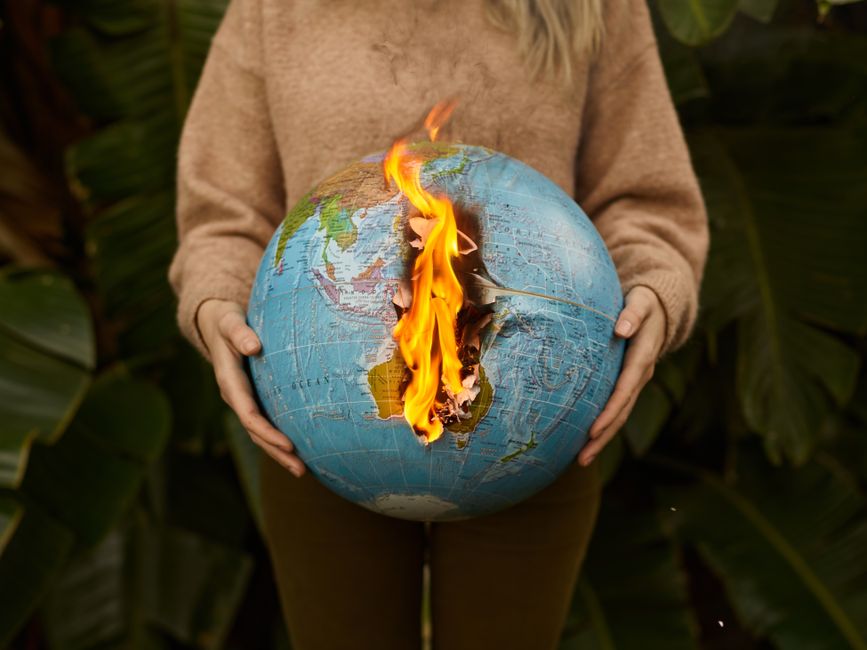









Super El Niño heat deaths are no longer a distant nightmare — they are coming fast. Scientists have released a chilling map showing exactly where deadly heat will strike hardest. 370,000 lives are now officially at risk.
GossipShop breaks it down for you, and trust us — this is serious. The map, published by leading climate researchers, identifies vulnerable hotspots across the globe. Tropical regions, including parts of Africa and South Asia, top the danger list.
📌 Also Trending on GossipShop: Super El Niño Deadly Heat Could Kill 370,000 People — Ominous Map Reveals Biggest Victims
Super El Niño Heat Deaths: What The Scientists Are Saying
Researchers warn that a Super El Niño event could push temperatures to record-breaking levels. These extreme temperatures will overwhelm hospitals, power grids, and communities. The elderly, children, and outdoor workers face the greatest danger.
However, scientists say the worst is avoidable with urgent climate action. Governments must act now to protect the most vulnerable populations. Every day of inaction adds more names to the death toll.
And here is the thing — Africa is disproportionately at risk despite contributing the least to global emissions. Nations like Nigeria, Ghana, and Ethiopia sit squarely in the danger zones. Let that sink in for one full second.
Furthermore, urban heat islands in densely populated African cities will amplify the danger significantly. Lagos, Accra, and Nairobi could experience temperatures that feel life-threatening. Concrete jungles trap heat and offer little relief to residents.
According to the Daily Mail’s full report, the ominous map uses sophisticated climate modelling to predict impact zones. The data combines heat exposure, population density, and healthcare capacity. The results are deeply alarming for developing nations.
Who Are The Biggest Victims Of Deadly Heat?
Outdoor workers, farmers, and street vendors sit at the top of the risk pyramid. They spend hours under the sun with little protection or recourse. Their livelihoods literally depend on surviving the heat.
Meanwhile, wealthy nations with air conditioning and advanced healthcare systems will buffer the impact. The global poor will bear the heaviest burden of a crisis they did not create. This is a climate justice issue, full stop.
Consequently, public health experts are now calling for emergency heat action plans in vulnerable countries. Early warning systems, cooling centres, and hydration campaigns can save thousands of lives. These solutions cost far less than the alternative — mass casualties.
Most importantly, individuals and communities must start preparing right now. Know the signs of heat stroke. Know your nearest cooling centre. Know how to protect your family.
For more health and climate news affecting Nigerians directly, check out our latest stories at mygossipshop.com. We keep you informed so you stay alive and ahead. Because knowledge is protection.
In fact, climate scientists are calling this potential Super El Niño one of the most dangerous weather events in recorded human history. The last major El Niño in 2015–2016 caused widespread drought and famine. This one could be significantly worse.
The ominous map has sparked urgent debates among world leaders and climate negotiators. COP summits have talked big for years. But the numbers don’t lie — 370,000 potential deaths demand more than talk.
🔎 GossipShop Verdict
We believe this story deserves every alarm bell it is getting — and then some. We are calling on Nigerian leaders to treat deadly heat as the emergency it truly is. We will keep watching, reporting, and refusing to let this crisis be ignored.
Follow GossipShop for more Health updates. 🇳🇬